
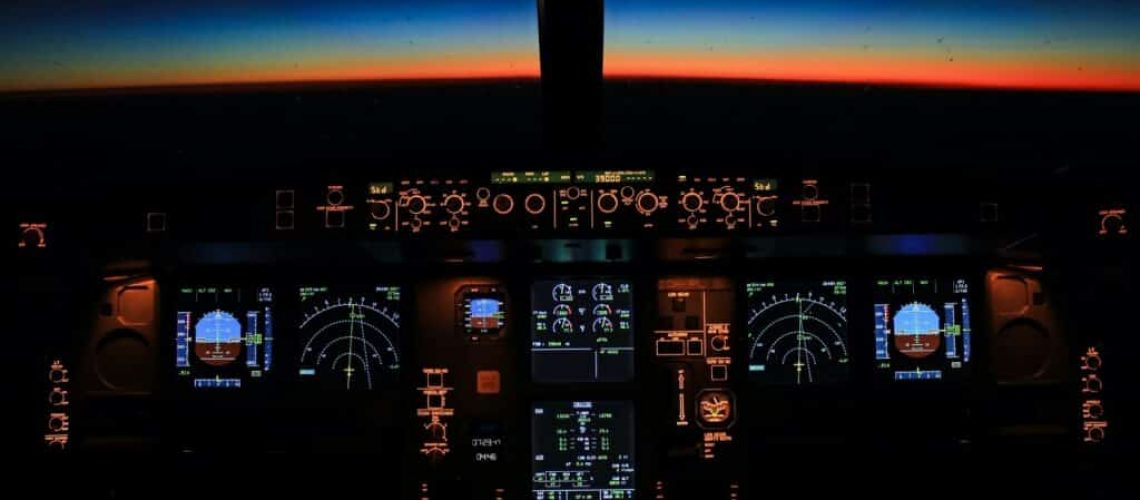
Aircraft are becoming increasingly reliant on technology to keep passengers safe. While pilots and crew members have always played critical roles in the safety of an airplane, new technology is taking over many of the tasks that were once handled by human beings. This shift towards increasing reliance on technology has been prompted by several factors, including the increasing complexity of aircraft systems, the need for greater efficiency, and the desire to improve safety.
Learn about the different ways technology is being used to make aircraft safer:
1. Aircraft are being equipped with more and more sensors.
Sensors are being used to monitor everything from the engine performance to the status of the landing gear. Many of these sensors are now connected to onboard computers, allowing the aircraft to adjust automatically to improve performance or safety.
The system then transmits the collected information to the pilot or crew, who can take action to correct any problems. When combined with other data, such as weather reports and air traffic control instructions, this information can help pilots make better decisions about operating the aircraft safely.
2. Automation is being used to handle more tasks.
Automation is playing an increasingly important role in aircraft safety. For example, auto-throttles are now commonly used to help pilots maintain the correct airspeed. This technology reduces the likelihood of human error and can help prevent accidents.
Auto-landing systems are another example of how automation is being used to improve safety. Because these systems can automatically land the aircraft in low visibility conditions, they have the potential to significantly reduce the number of accidents that occur during bad weather.
Some air traffic control tasks are also being automated. For example, the NextGen air traffic control system in the United States is using automation to help reduce delays and improve efficiency.
3. Calibration and testing equipment is becoming more sophisticated.
To ensure that aircraft are safe, they must undergo regular calibration and testing. Experts use air data test sets to calibrate the sensors on an airplane. These test sets are becoming more sophisticated, and they can now simulate a wide range of flight conditions, which helps improve the sensors’ accuracy.
Airplane flight simulators are another example of how calibration and testing equipment is becoming more sophisticated. These simulators can recreate the experience of flying in various conditions, which helps pilots prepare for real-world emergencies.
Another example is the use of wind tunnels to test aircraft designs. By testing prototypes in simulated flying conditions, engineers can identify potential problems and make improvements before the aircraft is built.
4. Data analysis is being used to improve safety.
With the increasing amount of data collected daily, there is a growing need for tools to help make sense of everything. Data analysis can identify trends and patterns that analysts might otherwise miss.
For example, data analysis can be used to identify safety hazards, such as areas with a high risk of bird strikes. Engineers can then use this information to change the aircraft’s design or how it is operated to reduce the risk of an accident.
Some airlines are also using data analysis to improve the efficiency of their operations. By analyzing data from past flights, they can identify areas where savings can be made, such as reducing the time the aircraft spends taxiing on the ground.
5. Communication systems are being improved.
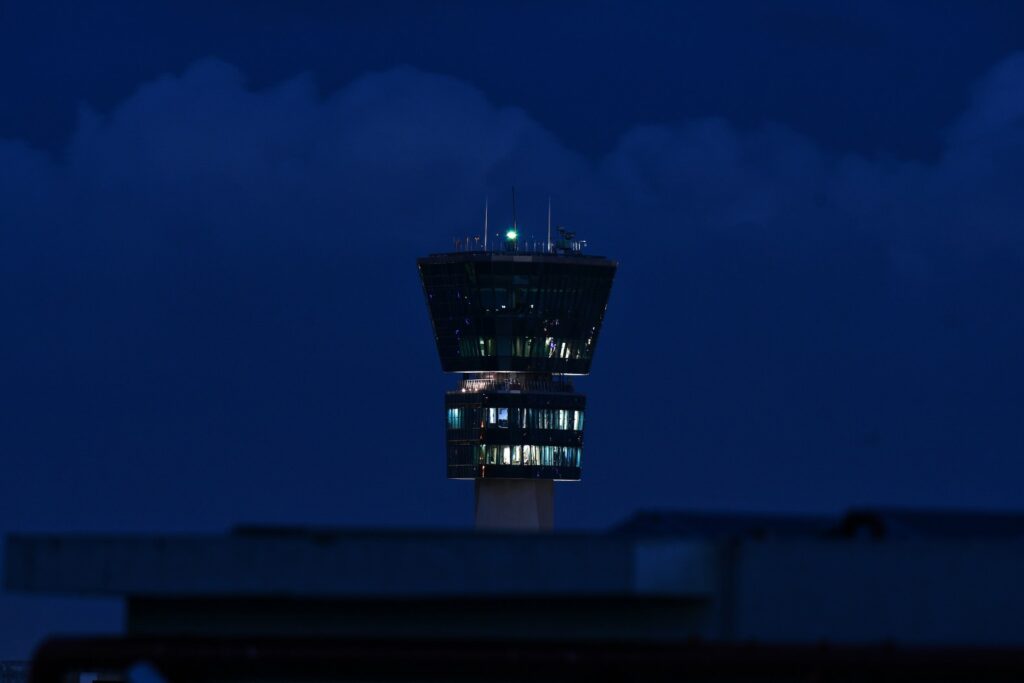
In an emergency, the pilot or crew should be able to communicate with air traffic control and other aircraft. New communication systems are being developed to allow pilots to transmit data and improve safety in real-time, such as their location and the plane’s status.
These systems will also allow pilots to receive information about other aircraft in the vicinity, which will help them avoid collisions. Even in bad weather, these new communication systems will be able to maintain a connection, which will help to reduce the risk of accidents.
6. New materials and construction techniques are being used.
Finally, using new materials and construction techniques is also helping make aircraft safer. For example, the use of composite materials is becoming increasingly common in the construction of aircraft. These materials are lighter than traditional materials, such as aluminum, and are more robust and durable.
Composites are essential in constructing modern military aircraft, which must withstand the rigors of combat. This same technology is also being used in the construction of commercial aircraft, where it is helping to reduce fuel consumption and emissions.
As you can see, there are many ways that technology is being used to make aircraft safer. These technologies are making it easier for pilots to avoid accidents and also helping to make aircraft more resistant to the effects of an accident. This is good news for everyone who flies; it is one more example of how technology is making our world safer.